Introduction to Dental Implants
What are Dental Implants?
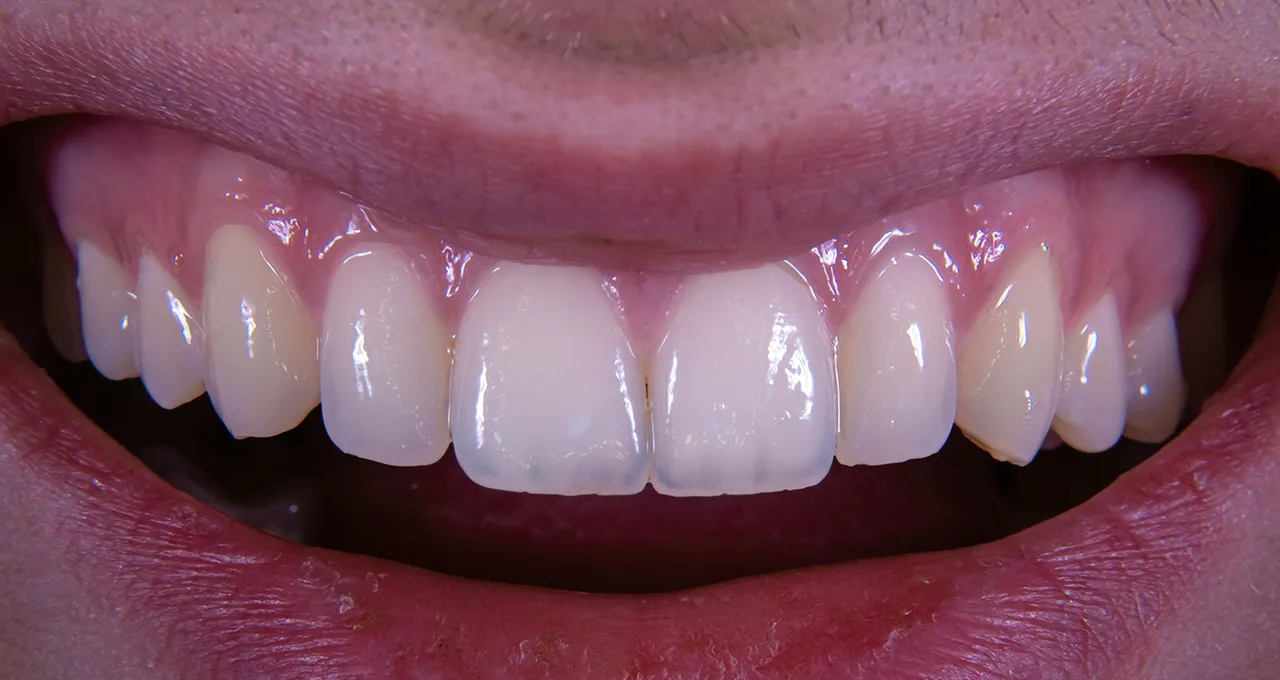
Dental implants are titanium screws that are surgically placed into the jawbone to replace the root of a missing tooth. They serve as a foundation for fixing replacement teeth, such as crowns, bridges, or dentures, providing a stable and long-term solution for individuals who have lost one or more teeth.
Why are Dental Implants Popular?
Dental implants are popular because they offer a permanent solution that looks and functions like natural teeth. Unlike bridges and dentures, implants do not require grinding down adjacent teeth or additional support, making them a less invasive and more durable solution.
Types of Dental Implants
Endosteal Implants
Endosteal implants are the most common type of implants that are placed directly into the jawbone. They are ideal for most patients and offer a high level of stability and longevity.
Subperiosteal Implants
Subperiosteal implants are used when a patient does not have enough bone for endosteal implants. These implants are placed under the gum but above the jawbone and are usually used as a temporary solution until sufficient bone can be built up.
Zygomatic Implants
Zygomatic implants are a solution for patients with severe bone loss in the upper jaw. They are placed in the cheekbones, providing a stable foundation for dental restorations even when there is insufficient bone in the jaw.
The Dental Implant Procedure
Preparation for the Procedure
Preparation for dental implant placement involves a detailed examination, X-rays, and procedure planning. Your dentist will assess the condition of your teeth and bones to determine if you are a suitable candidate for implants.
Stages of Implant Placement
Implant Placement: The titanium screw is surgically placed into the jawbone.
Recovery Period: The osseointegration process takes several months as the implant fuses with the bone.
Abutment Placement: After osseointegration, an abutment is placed to connect the implant to the crown.
Crown Fixation: Finally, a crown, bridge, or denture is fixed onto the abutment.
Recovery and Postoperative Care
Recovery from dental implant placement usually takes a few days to a week. It is important to follow your dentist's instructions on oral hygiene and to avoid hard foods until the implant stabilizes. Regular check-ups are crucial for the longevity of the implants.
Advantages of Dental Implants
Durability and Reliability
Dental implants are designed to last for decades with proper care. They provide a stable foundation for dental restorations and prevent bone resorption, which often occurs with tooth loss.
Natural Appearance and Function
Implants look and function like natural teeth, allowing you to eat, speak, and smile without worry. They do not move or slip like dentures, making them a more comfortable solution.
Maintaining Jaw Health
Dental implants help preserve the structure of the jaw and prevent bone atrophy that occurs after tooth loss. Maintaining jaw health is crucial for overall oral health and the stability of remaining teeth.
Potential Risks and Complications
Infections
Infections are one of the potential risks following implant placement. It is important to follow your dentist's postoperative care instructions to minimize the risk of infection.
Nerve Damage
Nerve damage is a rare complication but can occur during the implant placement procedure. Symptoms include pain, numbness, or tingling in the teeth, gums, or lips.
Sinus Problems
For implants in the upper jaw, there is a possibility of penetrating the sinus cavities, which can cause complications. A sinus lift operation may be necessary before implant placement to ensure sufficient space for the implant.
Cost of Dental Implants
Factors Affecting the Cost
The cost of dental implants depends on various factors, including the number of implants, the type of restoration, the complexity of the procedure, and the geographic location of the clinic.
Average Costs
The average cost of dental implants varies but can be significant. A single implant with a crown can cost between 1,000 and 3,000 euros.
Financing Options
Many dental clinics offer financing options to help patients afford dental implants. This can include payment plans or taking out loans for medical expenses.
Qualification for Dental Implants
Who is a Good Candidate?
A good candidate for dental implants is someone with healthy gums and enough bone to support the implants. People with chronic conditions, such as diabetes or heart disease, may require additional medical evaluations.
Medical Examinations
Detailed medical examinations, including X-rays and possibly a CBCT (cone beam computed tomography) scan, are necessary to assess the condition of the jawbone and plan the procedure.
Alternative Options
For patients who are not candidates for dental implants, alternative options such as bridges or dentures are available. Your dentist will help you choose the best option for your needs.
Frequently Asked Questions about Dental Implants
How Long Does the Procedure Take?
The dental implant procedure can take several months from start to finish, including the recovery and osseointegration period.
Is the Procedure Painful?
Most patients experience minimal discomfort during the procedure thanks to local anesthesia. After the procedure, pain can be managed with pain relievers.
How to Care for Implants?
Caring for dental implants includes regular brushing, flossing, and dental check-ups. Implants require the same care as natural teeth to remain healthy and functional.
Case Studies and Patient Experiences
Positive Stories
Many patients report an improved quality of life after getting dental implants, including better functionality and aesthetics.
Challenges and How They Were Overcome
Some patients faced challenges during recovery but successfully overcame them with proper care and support from their dentist.
Patient Tips
Patients often recommend thorough research and consultations with a dentist before deciding on implants to ensure the best results.